Nolan Wells Independent Autopsy Findings: Here's What We Know
Nolan Wells Independent Autopsy Findings: Here's What We Know
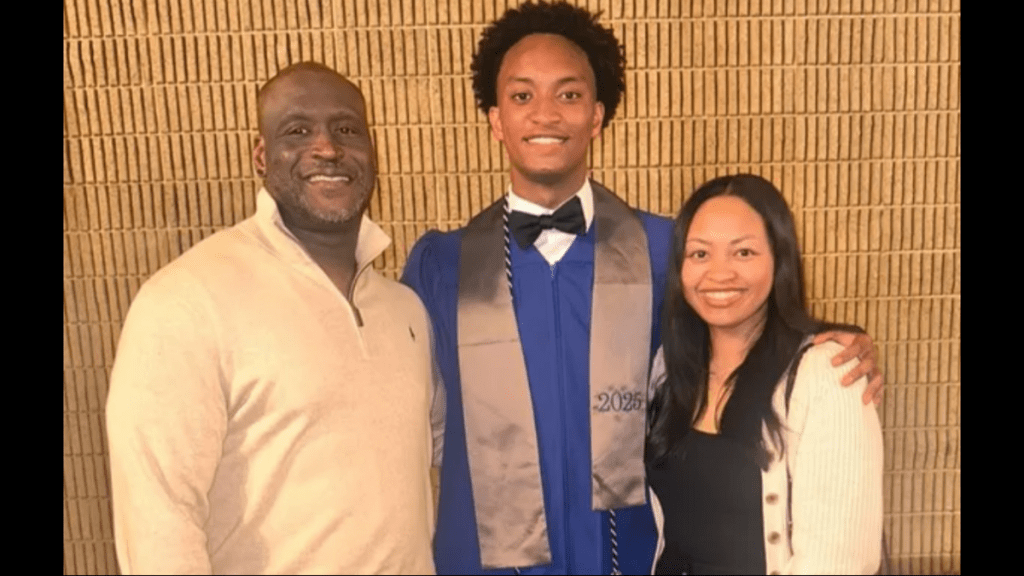
The parents of 18-year-old Nolan Xavier Wells stood alongside nationally renowned civil rights and personal injury attorney Ben Crump on July 22 during a news conference at the 117th NAACP National Convention to announce the preliminary findings from their independent autopsy of the college student. Wells’ body was discovered on the morning of July 6, two days after he went missing following a boat trip to Horn Island to celebrate the Fourth of July with friends.
Nolan Wells autopsy findings: what was his cause and manner of death?
According to the preliminary findings conducted by physician and board-certified forensic pathologist Dr. Roger Mitchell, Wells’ manner and cause of death have been ruled “undetermined pending investigation” because additional information is needed before investigators can determine what led to his death. However, the report identified several findings that Crump described as “significant” to the ongoing investigation.
Among those findings, Mitchell said he identified a “focal area of red discoloration in the soft tissue” at the back of Wells’ head near “the occipital region.” He said the etiology, or cause, of the discoloration remains unknown.
Nolan Wells’ body had undergone significant decomposition before the family’s independent autopsy, the forensic pathologist said.
Mitchell explained that his examination was conducted after the initial autopsy and that the body had undergone significant decomposition by the time it arrived for the second examination. He noted the body had already undergone a standard forensic autopsy, including a coronal scalp incision, removal of the brain, a Y-shaped incision to the torso, and examination of the internal organs. As is customary, the organs had been removed, examined, and placed back inside the body cavity so they could be available for a second pathologist’s review.
Several body parts were missing.
One of the most notable issues Mitchell encountered, however, was that the anterior internal neck structures were missing when the body arrived for the second autopsy. According to Crump, those structures, including the trachea, laryngeal cartilage, thyroid horn and hyoid bone, were not included with the remains sent to Washington, D.C.
In the preliminary discussion section of his report, Mitchell outlined several limitations that prevented him from determining a definitive cause and manner of death.
He noted that, unlike the Mississippi medical examiner who conducted the original autopsy, he did not examine the body immediately after it was recovered. By the time he received the remains, decomposition had advanced significantly, making it difficult to determine whether bruising or abrasions had originally been present.
Because of those limitations, Mitchell performed additional dissections that were not completed during the first autopsy to rule out blunt force trauma. Those procedures included dissections of the face, the back of the head and neck, ribs, pelvis, deep soft tissue, back, buttocks, arms and legs.
After completing those examinations, Mitchell found no fractures or deep tissue injuries.
Crump said Mitchell intentionally conducted an extensive examination in an effort to be as thorough and transparent as possible. During the layered posterior neck dissection, however, Mitchell discovered a 12-by-8-inch area of red discoloration in the deep soft tissue overlying the occipital bone.
Crump said investigators reviewed photographs documenting the finding and described it as significant.
“There are no lacerations of the overland skin, nor fractures of the underlying skull. These findings are inconclusive for perimortal injury due to both the extensive decomposition and the absence of associated injuries. This finding, however, is significant enough to be highlighted in this preliminary report for further investigation,” the report noted.
Mitchell noted that the area of discoloration would not have been identified during the first autopsy because a posterior head and neck dissection was not performed at that time. Another major limitation, he said, was the absence of the anterior neck structures.
According to the report, “the trachea and the laryngol cartilage, the thyroid… and the hyoid bone were not received with the body,” preventing Mitchell from fully evaluating potential injuries to the neck.
“He said it is assumed that the initial pathologist retained these structures for additional evaluation. He said the retention of the anterior neck structures during an initial autopsy is a common forensic pathology practice. He was chief medical examiner for seven years in Washington D.C. and he said that if they had concern about throat or any fracture or compression of the throat, they too will hold them back,” Crump explained during Wednesday’s press conference. “He doesn’t know why they held the throat back, but he said the throat was not with the body of Nolan Wells when he received it in Washington, D.C., to perform the second autopsy.”
Mitchell stated that a posterior neck dissection performed without examining the anterior neck structures is incomplete and that, because those tissues were unavailable, he could not rule out neck trauma as either a contributing factor or the cause of death.
He said he would need access to the retained neck structures from the Mississippi medical examiner to complete his evaluation, which is why he classified the manner and cause of death as “undetermined pending investigation.”
Mitchell also identified another significant limitation: he was unable to directly examine Wells’ airway and lungs for evidence of water or inspect the stomach for gastric contents because those organs had already been dissected during the initial autopsy.
“He said it is very significant as to what the initial forensic scientists who got to review the body when it was recovered. We have heard from our call center, people saying the body wasn’t waterlogged. Well, we need to know those things, but unfortunately, because the body was decomposed and the organs have already been dissected, those are things we can only get from the initial autopsy,” Crump added.
NFL star Terrell Owens, Tyler Perry and more donate reward money for those with more information about Nolan Wells’ death.
A day before Nolan Wells’ autopsy findings were announced, Crump praised pro Football Hall of Famer Terrell Owens for pledging an additional $25,000 reward for information leading to the arrest and conviction of those responsible for the death of Wells. Owens’ contribution increases the total reward to $125,000, joining previously announced $50,000 rewards from Rev. Al Sharpton and Tyler Perry. Anyone with information surrounding Wells’ death is urged to call the Ben Crump Law call center at 888-991-1772.
“We are deeply grateful to Terrell Owens, Rev. Al Sharpton, and Tyler Perry for standing with Nolan Wells’ family in their pursuit of truth and justice,” the civil rights attorney said in a press release on July 21. “Their generosity and unwavering support send a powerful message that this tragedy will not be swept under the rug and that we will not stop until the truth is uncovered and justice is served.”
He added, “Someone knows what happened to Nolan on Horn Island. We urge anyone with information, no matter how small it may seem, to come forward. This reward is being offered for information that leads to an arrest and conviction because Nolan’s family deserves the truth, and those responsible must be held accountable.”
SEE MORE:
Nolan Wells Independent Autopsy Findings: Here's What We Know was originally published on newsone.com


